VoiceOps: How the Jobsite Actually Operates
The end of clicks, fields, and dead data — and the rise of conversational documentation.
Karly Heffernan
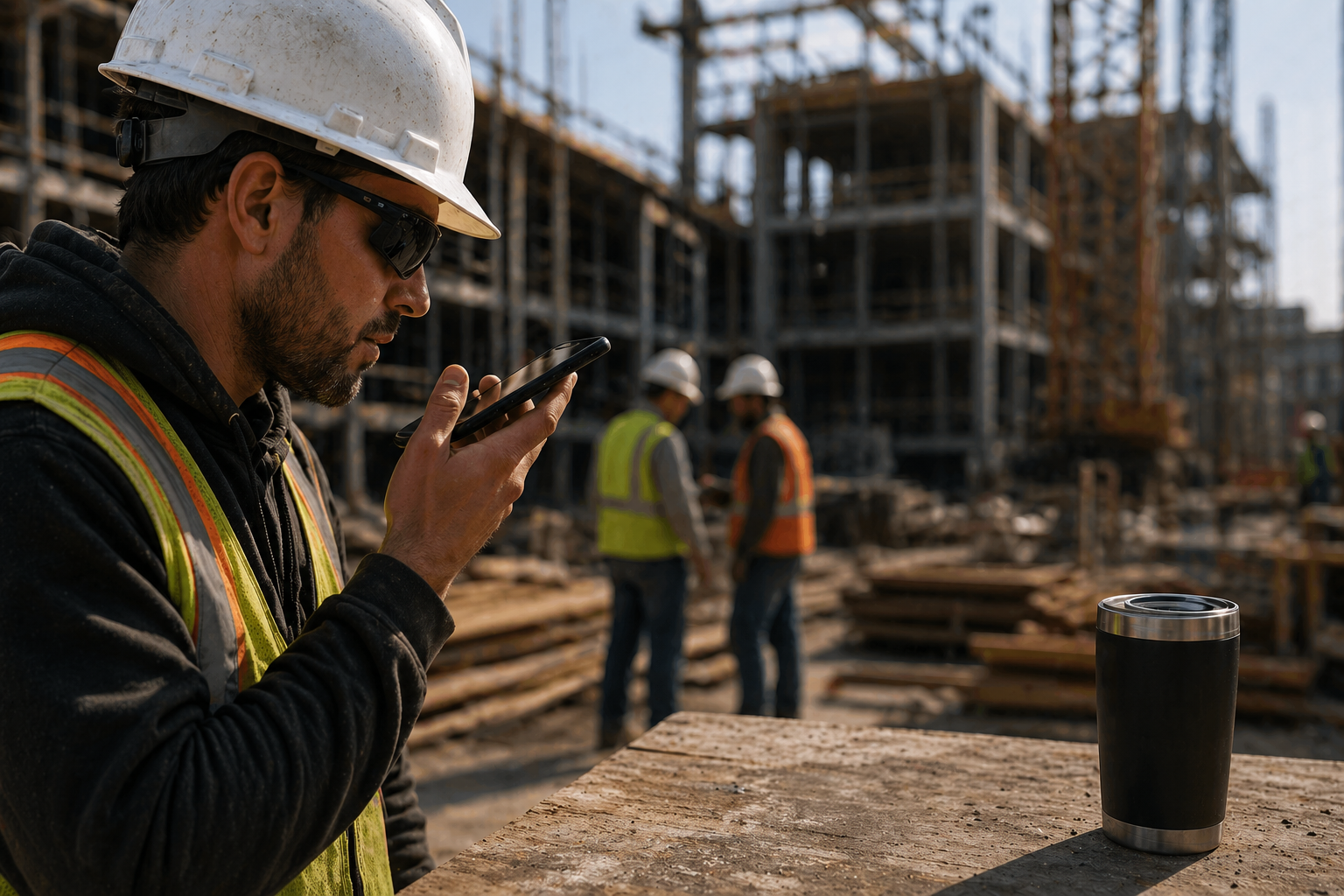
A superintendent doesn't open a laptop when the rebar shows up wrong. He picks up the phone. A foreman doesn't fill out a field when the inspector flags a deficiency. He calls the PM. A subcontractor doesn't log into a portal to flag a delay. He texts back a voice memo from the cab of his truck.
Every meaningful decision on a construction project happens in a conversation. The platforms we built around the industry pretended otherwise. That gap — between how the work actually runs and how the software thinks it runs — is the single largest source of friction in commercial construction. We have a name for closing it. **VoiceOps.**
The jobsite doesn't type
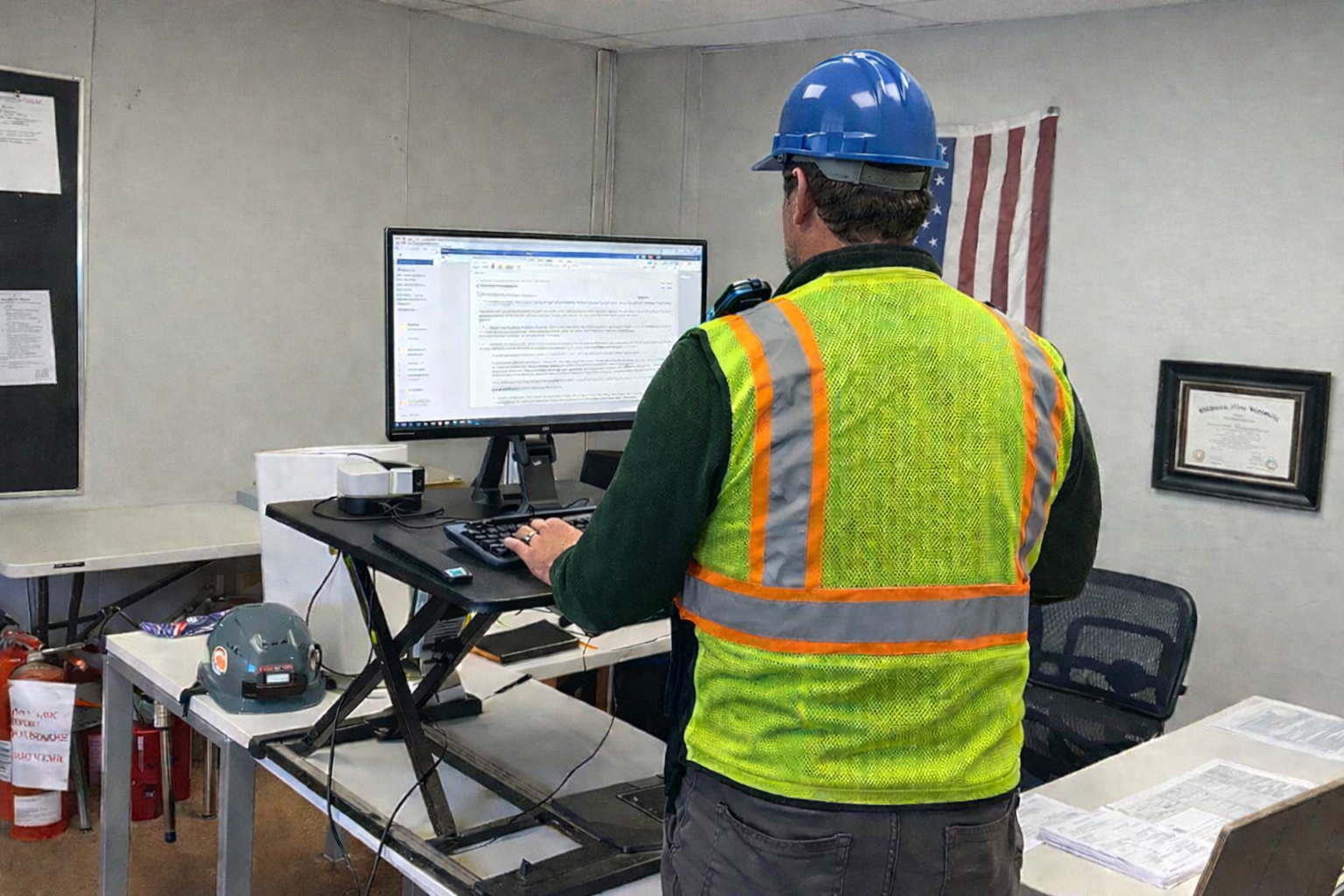
Construction software has spent two decades trying to convert operators into data-entry clerks. Pick a status. Tag a cost code. Attach a photo. Choose a recipient. Submit. Then do it again at the next trade. Then again at close-out. Multiply that by every PM, super, and foreman across a portfolio and you get the real productivity tax of this industry — operators paying a clerical bill for software that was built around the database, not around them.
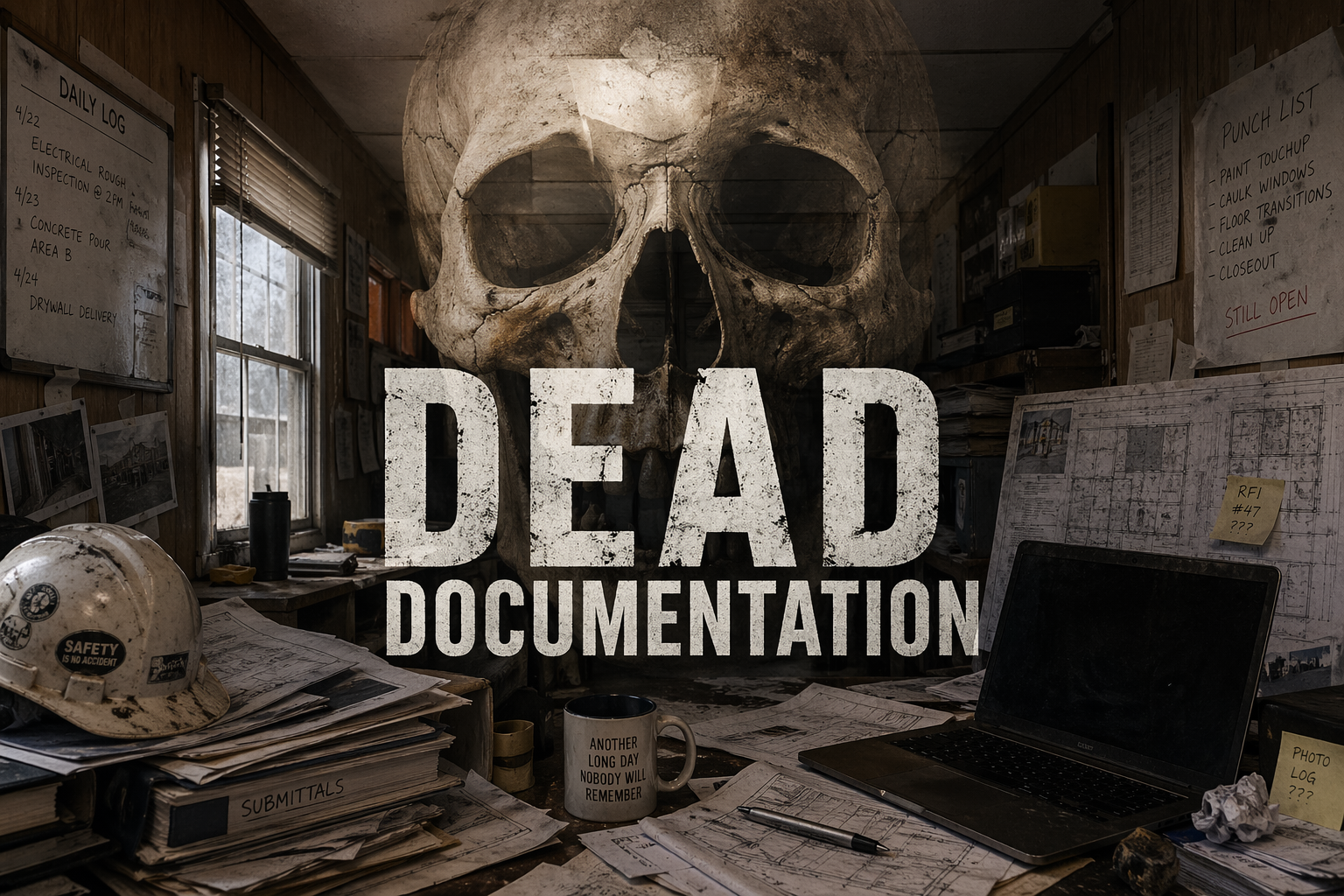
The result is predictable. The most experienced people on the project document the least. The information that does get captured is shallow, late, and stripped of the context that made it useful in the first place. The system of record becomes a system of regret — populated long after the decision it was supposed to inform.
What VoiceOps actually means
VoiceOps is operating and documenting the jobsite through the channel where the work already happens: conversation. A phone call between a super and a sub becomes a tracked decision. A debrief into a headset becomes a daily report. A negotiation about a change order becomes the record of the change order — not a memory of it that someone recreates in a form three days later.
The mechanics are simple to describe and hard to build. Capture the conversation. Understand who's on it, what was decided, what's at risk, and what comes next. Route that structure into the places it needs to go — schedules, RFIs, dailies, change logs, owner reports — without the human having to translate it twice. The operator keeps operating. The documentation gets done in the act of doing the work.
Fields and forms were a workaround, not a destination
The forms-and-fields paradigm was never the goal. It was a constraint. Software couldn't understand language, so it asked humans to pre-structure the data on its behalf. That constraint is gone. We can listen now. We can hear context, intent, ambiguity, and resolution. We can do it across hundreds of conversations a day on a single project. And we can give the operator their day back.
This isn't a UX trend. It's an architectural shift. When voice is the input layer, the rest of the stack changes shape. You stop designing screens around forms and start designing them around decisions. You stop chasing field adoption with reminders and start meeting the field where it already is. You stop staring at dashboards full of dead data and start reading living, traceable records of how the project is actually being run.
Dead data is the real liability
Most construction data isn't wrong. It's just stale. It was true in the moment someone typed it, and then the project moved without it. By the time leadership reviews it, the questions it would have answered have already been resolved — or worse, escalated.
Voice changes the timing. A conversation captured in real time is a record before it has a chance to drift. The PM doesn't have to remember the call. The owner doesn't have to wait for the weekly. The lawyer doesn't have to reconstruct the chain. The decision and its documentation arrive together. That's the difference between a database that costs you time and a record that protects it.
Where this goes next
The next decade of construction technology will be defined by what gets removed, not what gets added. Fewer forms. Fewer portals. Fewer logins. Fewer reminders to do the documentation work nobody signed up to do. The operators who run real projects already know what their day looks like — phone in hand, problem to solve, decision to make. The job of software is to keep up.
VoiceOps is how it keeps up. Not as a feature. As the layer the rest of the stack reports to. The jobsite has always run on conversation. It's about time the system of record did too.
Ready to capture every conversation?
Hardline turns your calls and site conversations into daily logs, RFIs, tasks, and more — automatically.
Book a Demo